Have you noticed how crazy popular gummy bears have become lately? It’s pretty wild—according to some report by Grand View Research, the whole gummy candy market is expected to hit around $5.4 billion by 2027. That’s a huge jump! It’s clear just how much folks love these chewy little treats, and honestly, it opens up some fun new doors for making your own at home. If you’ve ever thought about DIY gummy bears, now’s a great time—they give you the chance to control what goes in, pick your favorite flavors, and tweak the textures to suit your tastes or dietary needs.
And get this—Statista shared a study showing that over 80% of Americans enjoy gummy candies. No surprise there! They’re pretty much a staple in the candy world. Plus, with more people getting into the whole DIY vibe, making gummy bears at home isn’t just satisfying your sweet tooth—it’s also a pretty fun, hands-on activity. With a little practice and the right techniques, anyone can whip up some yummy, customized gummies that look and taste just as good as the store-bought ones. In this guide, I’ll share 10 essential tips to help you level up your homemade gummy bear game so you can impress everyone—kids and grown-ups alike—with your sticky, sweet creations.
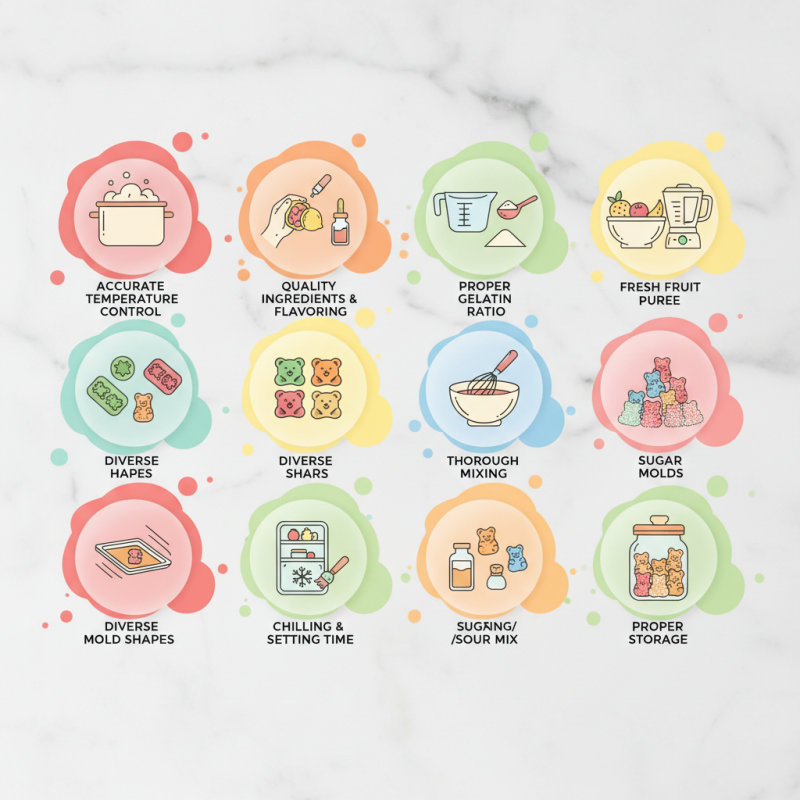
Choosing the Right Ingredients for Homemade Gummy Bears
When crafting homemade gummy bears, the choice of ingredients plays a crucial role in achieving the perfect texture and flavor. Gelatin is the primary component that gives gummy bears their signature chewiness. Opt for high-quality, unflavored gelatin to ensure that your gummies set properly and have the desired firmness. For those seeking a vegan alternative, agar-agar is a great substitute, derived from seaweed, which also provides a delightful texture without the use of animal products.
In addition to gelatin, the flavoring of your gummy bears will significantly impact their taste and appeal. Fresh fruit juices can serve as a natural and flavorful base, providing both taste and a vibrant color. If you want to enhance the flavor, consider adding a splash of citric acid for tanginess or a bit of natural sweetener to adjust the sweetness level. Furthermore, incorporating food coloring can elevate the visual aspect, making your gummy bears more enticing. Remember, the right combination of ingredients not only influences the overall taste but also the nutritional profile of your homemade treats, allowing you to create a delightful snack that you can feel good about sharing.
Understanding Gelatin: Types and Substitutes for Gummy Bears
When making homemade gummy bears, understanding the role of gelatin is essential. Gelatin is the primary ingredient that gives gummy candies their unique chewy texture. It is derived from collagen, a protein found in animal bones and skin, and comes in two common forms: powdered and sheet gelatin. Powdered gelatin is easy to use and can be simply sprinkled over cold water to bloom before being heated. In contrast, sheet gelatin requires soaking in cold water until it softens before being melted into your mixture. Both types yield delicious results, but be mindful of the specifics of your recipe to ensure the right texture and consistency.
For those seeking alternatives, there are plant-based substitutes available for gelatin, such as agar-agar and pectin. Agar-agar, derived from seaweed, is a popular choice for vegans as it can solidify liquids without the use of animal products. However, it sets more quickly than gelatin, so adjustments may be necessary in the recipe. Pectin, typically found in fruits, is another substitute that works well, especially in gummy confections. It provides a different texture and requires sugar and acid to gel, meaning it’s important to follow specific instructions for best results. By understanding the properties of gelatin and its substitutes, you can craft homemade gummy bears that are expertly textured and tailored to your dietary preferences.
Step-by-Step Guide to Preparing Your Gummy Bear Mixture
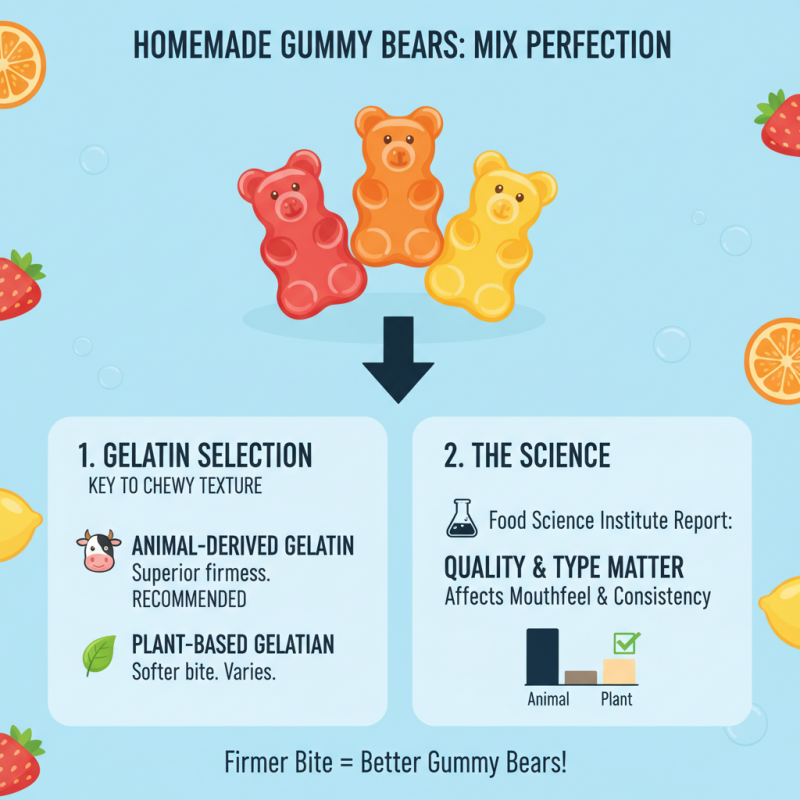
When it comes to making homemade gummy bears, the key lies in perfecting your gummy bear mixture. First and foremost, you'll want to select the right gelatin, as it plays a vital role in achieving that signature chewy texture. According to a report from the Food Science Institute, the quality and type of gelatin can significantly affect the mouthfeel and consistency of gummy candies. Typically, a blend of animal-derived gelatin provides superior results compared to plant options, allowing for a firmer bite.
Once you've selected your gelatin, the next crucial step is to balance your liquid and sweeteners properly. A common practice is to use fruit juice or flavored syrups as the base, which contributes both taste and color. Studies indicate that the sugar-to-gelatin ratio should ideally be around 1:2 for optimal firmness while still maintaining a pleasant chewiness. Heating your mixture slowly and stirring consistently helps dissolve any clumps and evenly integrate the ingredients. Remember, patience is key during this phase; rushing can lead to a poorly mixed batter, resulting in unevenly set gummies. Following these guidelines will help you craft delicious, homemade gummy bears that are sure to impress.
Selecting Flavorings and Colorings for Homemade Gummies
When creating homemade gummy bears, the selection of flavorings and colorings plays a pivotal role in achieving a product that is as delicious as it is visually appealing. Start by exploring a variety of natural options, such as fruit juices, purees, and extracts. Fresh fruit juices not only lend a vibrant color but also provide authentic flavor profiles that can elevate your gummies. Consider using complementary flavors like raspberry and lemon for a tart contrast or mango and coconut for a tropical twist, ensuring you balance sweetness and acidity for a well-rounded taste.
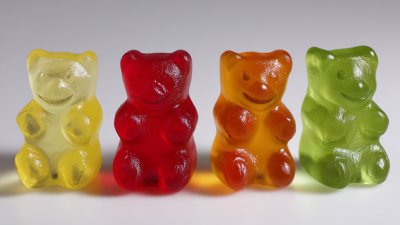
For colorings, it's crucial to either go natural or choose food-safe dyes that are free from artificial additives. Natural colorings can come from ingredients like beet juice for red, turmeric for yellow, and spirulina for green. These options not only impart beautiful hues but also align with a more health-conscious approach. Experimenting with smaller batches allows you to find the perfect combination of flavors and colors before scaling up the recipe. Ultimately, the key lies in creativity and personal preference—don’t hesitate to mix and match until you find the combinations that delight both the eyes and the palate.
10 Essential Tips for Making Homemade Gummy Bears Like a Pro - Selecting Flavorings and Colorings for Homemade Gummies
| Flavoring Type |
Recommended Natural Sources |
Coloring Options |
Typical Usage Ratio |
| Fruit |
Pureed fruits (e.g., strawberries, mangoes) |
Juice or natural extracts |
1 part fruit to 2 parts water |
| Herbal |
Mint, chamomile, lavender |
Herbal infusions |
1 tablespoon infused tea per cup |
| Spices |
Cinnamon, ginger |
Spice powders |
1-2 teaspoons per batch |
| Floral |
Rose, hibiscus |
Flower extracts |
1 teaspoon per cup |
| Citrus |
Lemon, orange |
Zest or juice |
1 part zest to 2 parts water |
| Candy |
Gelatin-based candies (e.g., sour patch) |
Candy flavorings |
Follow package instructions |
Molding Techniques: Tips for Perfectly Shaped Gummy Bears
When it comes to creating perfectly shaped gummy bears, mastering molding techniques is essential. The choice of mold can dramatically influence the outcome of your gummy bears. Silicone molds are highly recommended, as they provide flexibility that simplifies the release process. According to a report by the Confectionery Manufacturers Association, the use of silicone molds can lead to uniform texture and shape, which is critical for aesthetic presentation and consumer satisfaction.
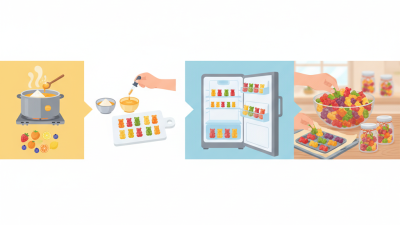
For optimal results, consider lightly dusting your molds with cornstarch before pouring in your gummy mixture. This little tip helps prevent sticking and ensures that your gummy bears maintain their shape once removed. Additionally, using a dropper can give you precision when filling molds, which minimizes air bubbles and allows for a smooth finish. Industry experts suggest letting your gummy mixture rest for a few minutes before placing it in the refrigerator, as this allows bubbles to rise to the surface, resulting in a cleaner final product.
Finally, temperature control during the cooling process is crucial. Gummy bears set best between 50°F and 60°F. Exceeding this range can affect their texture, yielding a gummy bear that is either too hard or too chewy. Keep this temperature range in mind and allow your gummy bears sufficient time to cool before attempting to demold them. With these molding techniques, you’ll be well on your way to making professional-grade gummy bears at home.
Gummy Bear Ingredients Usage
Cooling and Setting Your Gummy Bears for Optimal Texture
The process of cooling and setting your homemade gummy bears is crucial for achieving that perfect chewy texture that makes them so irresistible. After pouring your gummy mixture into molds, the initial cooling phase should take place at room temperature. This allows the gelatin to start setting evenly without forming any unsightly bubbles. According to a report from the Food Chemistry Journal, the ideal gel formation occurs when temperatures are kept consistent during the cooling process, ideally staying below 25°C (77°F) for the best results.
Once they have cooled for about 30 minutes at room temperature, it's time to transfer your molds to the refrigerator. The cool environment helps the gelatin fully set, resulting in a firmer texture. Industry standards suggest allowing the gummy bears to chill for at least 2-4 hours. This not only enhances the chewiness but also ensures that the flavors meld properly. For optimal results, try not to overcrowd the fridge to allow for even air circulation around the molds.
Tip: Ensure your molds are well-greased before pouring in the mixture. This prevents any sticking, making it easier to remove your gummy bears once they are set. Additionally, consider adding a touch of citric acid to your recipe before cooling; it can enhance the tangy flavor profile while still maintaining that perfect gummy texture.
Storage Tips to Keep Your Homemade Gummy Bears Fresh
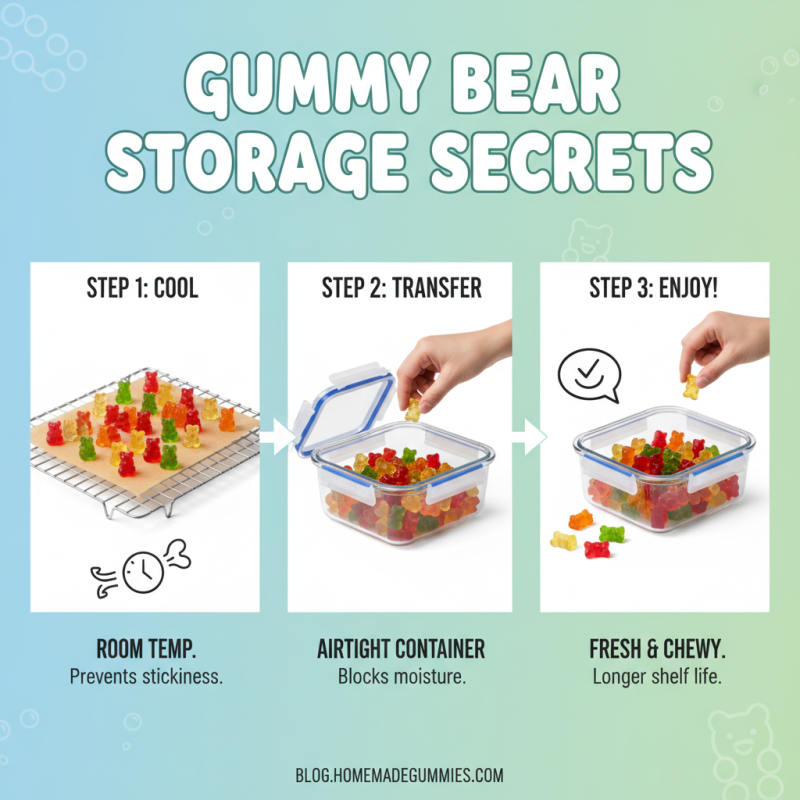
When it comes to enjoying your homemade gummy bears, proper storage is essential to ensuring they remain fresh and delicious for as long as possible. After you've crafted your delightful treats, allow them to cool completely at room temperature before storing. This step helps to prevent condensation, which can lead to a sticky mess and loss of texture. Once cooled, you can place your gummy bears in an airtight container. Using a container with a tight seal is crucial, as it keeps moisture out and helps maintain the chewiness of your gummies.
For longer-term storage, consider refrigerating your gummy bears. The cool environment slows down the degradation process, allowing your treats to stay fresh for several weeks. Be sure to line the container with parchment paper or cornstarch to prevent them from sticking together. If you've made a large batch, you can also freeze your gummy bears. Just make sure they are well-sealed in a freezer-safe bag or container. Frozen gummy bears can last for several months, and you can take them out a few at a time to enjoy, bringing back that homemade sweetness whenever you crave it.
Emerging Trends in Fashion Jewelry: The Rise of Playful Designs like the Stylish Pearl Necklace with Gummy Pendant and Chocolate Beans
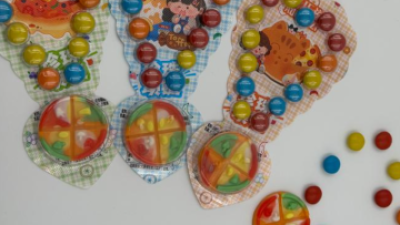
The world of fashion jewelry is experiencing a delightful transformation, with playful designs taking center stage. One standout piece that embodies this trend is a charming pearl necklace featuring a playful gummy candy pendant complemented by colorful chocolate beans. This unique combination not only appeals to the sense of sight but also sparks curiosity and nostalgia, making it a perfect accessory for those who value creativity in their style.
Weighing in at just 10 grams, each necklace is crafted with care and encased in a specially designed transparent plastic shell. For added protection, the outer layer comes in hard cardboard packaging. This attention to detail ensures that each piece reaches customers in pristine condition. The necklaces are displayed in a convenient format, with 30 pieces housed in a single display box. For retailers looking for customization, the packaging can be adorned with logos and brand information at no additional cost, allowing for a tailored retail experience.
As these playful designs gain popularity, they offer a fresh approach to accessories, blending whimsical elements with fashion. The pearl necklace with gummy pendant and chocolate beans not only stands out in the jewelry market but also represents a growing trend towards creativity and fun in personal style. This is an exciting time for fashion jewelry, as playful and innovative designs are set to captivate consumers around the world.
FAQS
: The most important ingredient is gelatin, as it is key to achieving the chewy texture that gummy bears are known for.
A common practice is to use fruit juice or flavored syrups as the base, and the ideal sugar-to-gelatin ratio should be around 1:2 to ensure optimal firmness and chewiness.
Heat your mixture slowly and stir consistently to dissolve any clumps and ensure even integration of all ingredients.
You should let it cool at room temperature for about 30 minutes before transferring to the refrigerator.
It is ideal to keep the temperature below 25°C (77°F) during the cooling process for the best gel formation.
It is recommended to chill the gummy bears in the refrigerator for at least 2-4 hours to achieve a firmer texture and properly meld the flavors.
Make sure your molds are well-greased before pouring in the mixture to prevent sticking and make removal easier.
Yes, consider adding a touch of citric acid to your recipe before cooling; it can enhance the tangy flavor profile while maintaining the desired gummy texture.
Rushing the mixing process can lead to poorly mixed batter, resulting in unevenly set gummies, so taking your time ensures better results.
A blend of animal-derived gelatin typically provides a firmer bite and superior mouthfeel compared to plant options.
Conclusion
Making homemade gummy bears can be a fun and rewarding experience, especially when you follow a few essential tips. Start by choosing the right ingredients, including quality gelatin and flavorful additives, to ensure the best taste and texture. It's important to understand the different types of gelatin available and explore suitable substitutes if needed.
Once you've prepared your gummy bear mixture, pay special attention to selecting the right flavorings and colorings to personalize your gummies. Molding techniques are crucial for achieving perfectly shaped gummy bears, and cooling and setting them properly will enhance their texture. Lastly, remember to store your homemade gummy bears correctly to keep them fresh and delicious for longer. With these steps, you'll be able to create gummy bears like a pro!